
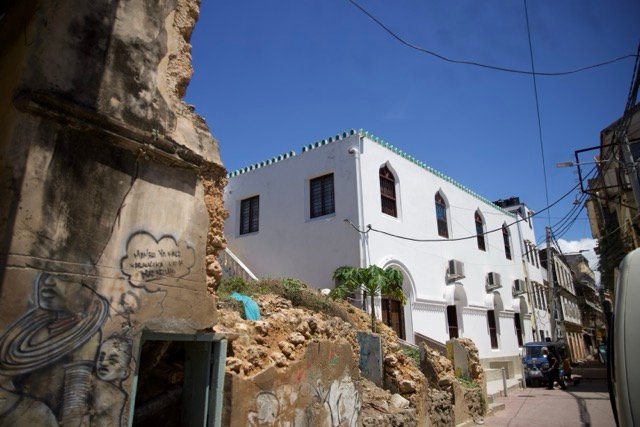
There is a mosque in Mombasa that predates Fort Jesus, a post office that connected Indian railway workers to their families back home, a hotel that offered ocean-view rooms in 1901 and a harbour that has participated in international commerce for centuries.
All within walking distance of each other.
For a city that many Kenyans visit at least once a year, I find it fascinating how much of Mombasa remains unexplored. Our itinerary often consists of the beach, a hotel swimming pool, seafood and perhaps a quick photograph outside Fort Jesus.
But somewhere between the narrow streets, centuries-old doors, street food vendors and weathered balconies lies another Mombasa.
This is the Mombasa I recently went looking for.
1. Getting to Mombasa
One of the things I appreciate about Mombasa is that you do not necessarily need an extravagant budget to enjoy it. With a little planning, it makes for an excellent weekend getaway from Nairobi.
The Madaraka Express is a convenient option. From Mombasa Terminus in Miritini, you can connect to the city centre and use tuk-tuks, matatus or simply walk around the historical district.
For accommodation, I recommend checking Booking.com and filtering properties according to your budget. If your primary interest is exploring Old Town, consider staying somewhere on Mombasa Island rather than spending a significant portion of your day commuting from the North Coast.
You don’t need to book a beachfront resort to have a beautiful Mombasa experience.
2. Mombasa Old Town: Where the world once met
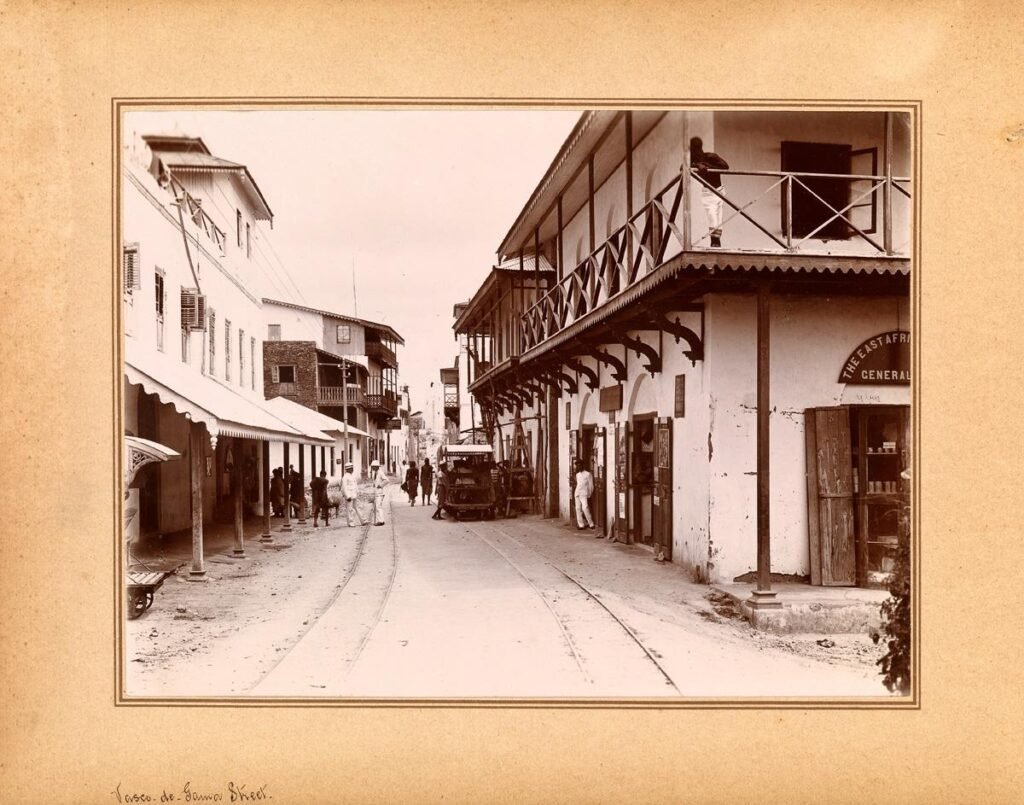
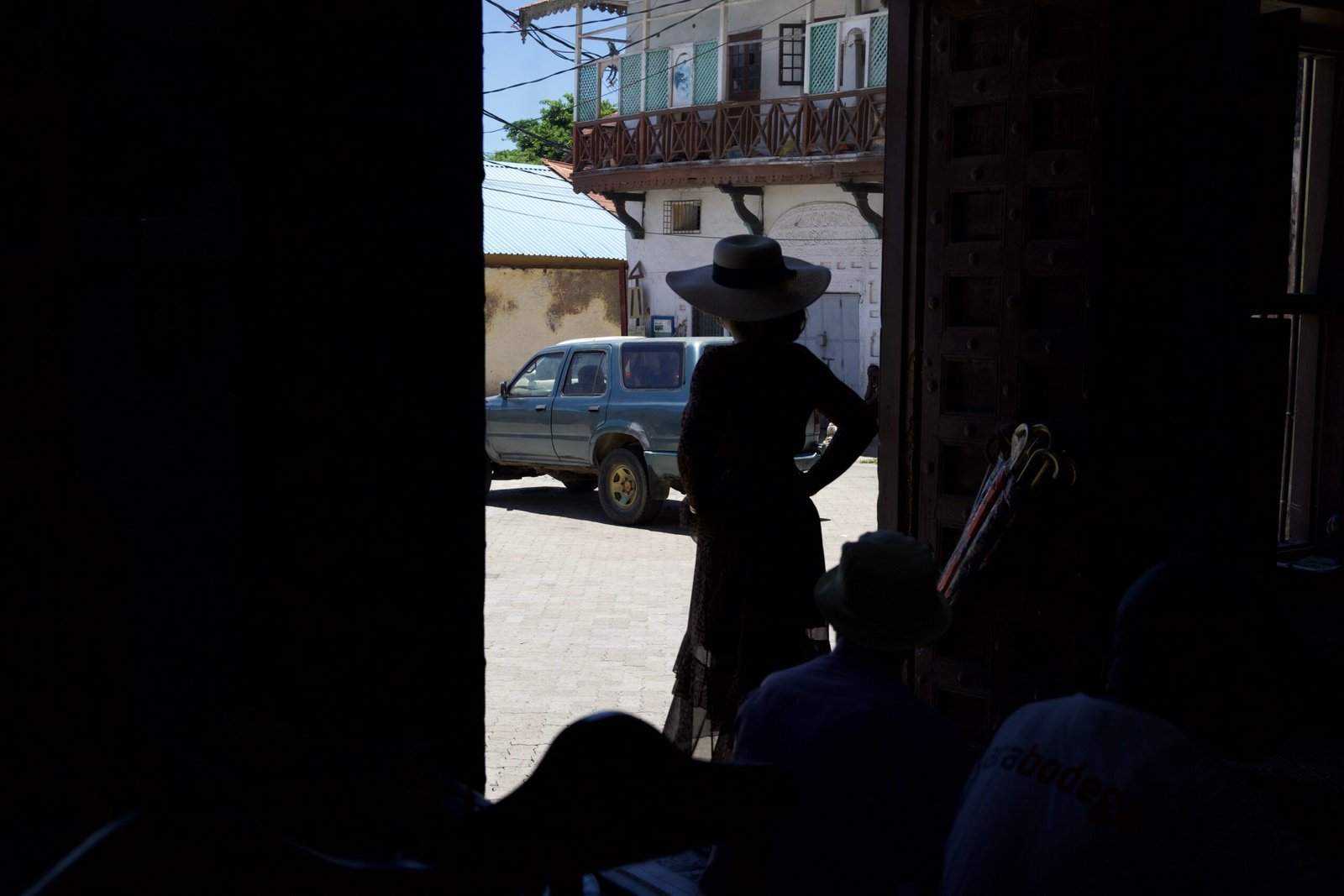
Known locally as Mji wa Kale, Old Town occupies the southeastern section of Mombasa Island.
Long before Nairobi existed as a railway settlement, Mombasa was already an established trading centre within the Indian Ocean economy. Its history is inseparable from the wider Swahili civilisation, whose coastal settlements facilitated exchanges across Africa, Arabia and Asia.
In 1331, Moroccan traveller Ibn Battuta visited Mombasa during his journey along the East African coast.
By the time the Portuguese arrived towards the end of the 15th century, they encountered an established African coastal society with its own commercial networks, religious institutions and architectural traditions.
This is important because Mombasa’s history did not begin with European arrival. The Europeans came because something economically significant was already happening here.
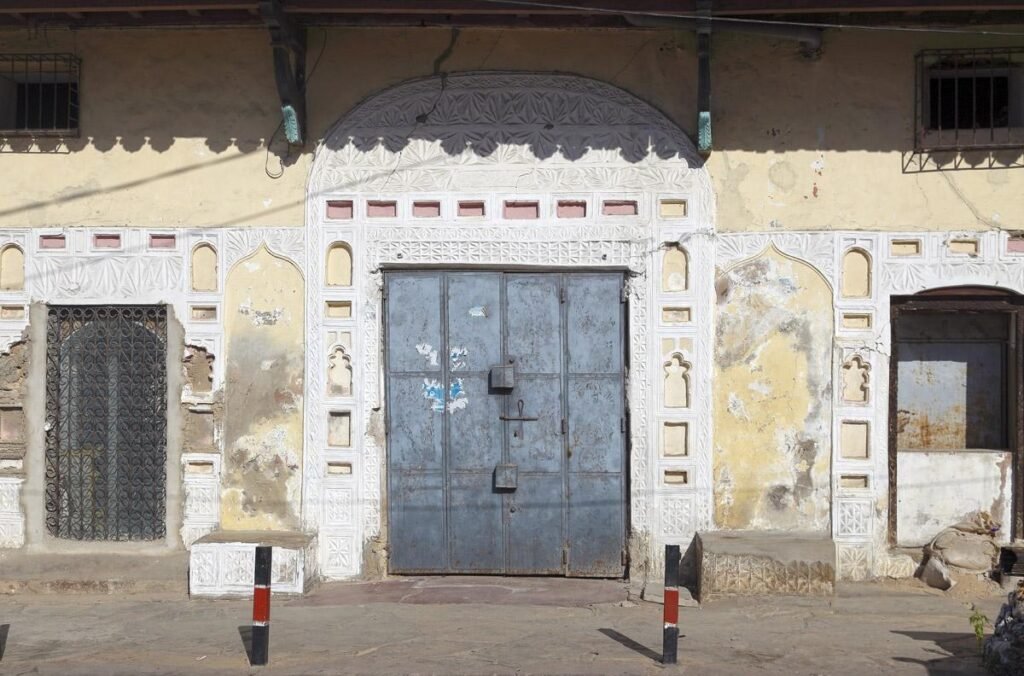
My recommendation: Get a local guide. Although you can explore independently, having someone interpret the buildings completely changes the experience. What appears to be an ordinary residential building could have once housed a diplomatic mission, a bank or a prominent merchant.
3. Fort Jesus: The fortress built to control an ocean

Fort Jesus is arguably Mombasa’s most recognisable historical landmark. However, its significance extends far beyond its imposing walls.
The Portuguese built the fortress during their quest to dominate maritime trade along the East African coast. Its location allowed them to oversee access to Mombasa’s Old Port.
The fortress was designed according to Renaissance military architectural principles, with a layout resembling a human figure when viewed from above.
Over the centuries, it became a contested site involving Portuguese and Omani forces, local rulers and eventually the British colonial administration.
Fort Jesus is a physical reminder of how valuable control of the Indian Ocean was to competing powers.
Why visit: Understanding Fort Jesus provides the historical context for much of what you will encounter in Old Town.
I recommend beginning your walking tour here and asking your guide to explain the relationship between the fortress, the harbour and the surrounding city.
4. Mandhry Mosque: The mosque that is older than Fort Jesus
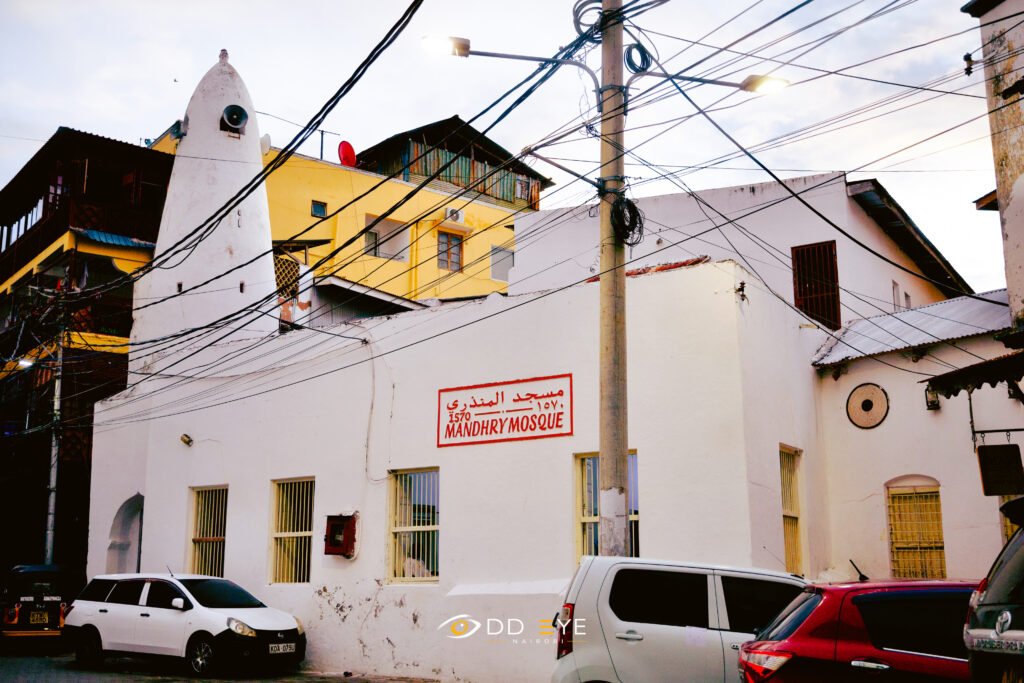
Founded: 1570/71
Surviving structure: Approximately 1830
Decorative well frontage: 1901
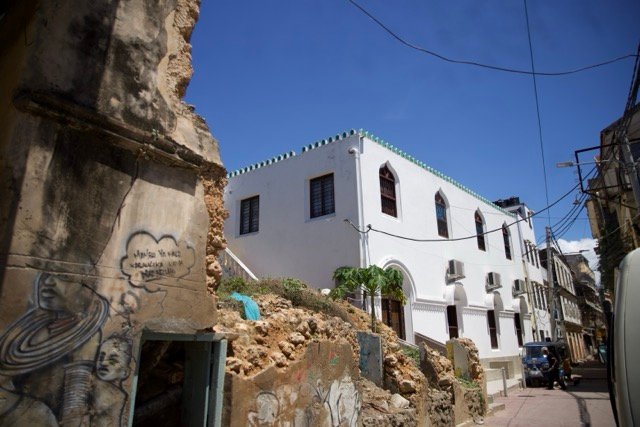
One of the most fascinating historical landmarks in Old Town is Mandhry Mosque, also spelled Mandhri or Mandry.
According to the National Museums of Kenya, the mosque’s foundation dates to 1570/71, although much of the structure standing today is believed to date from around 1830.
To put its age into perspective:
| Historical landmark | Date |
|---|---|
| Mandhry Mosque founded | 1570/71 |
| Fort Jesus construction begins | 1593 |
| Uganda Railway construction begins | 1896 |
| Kenya gains independence | 1963 |
Generations of worshippers had already established a community here before the Portuguese constructed their famous fortress.
The mosque’s distinctive minaret and coral-stone architecture are expressions of the coastal building tradition that developed across the Swahili world.
The water point across the road
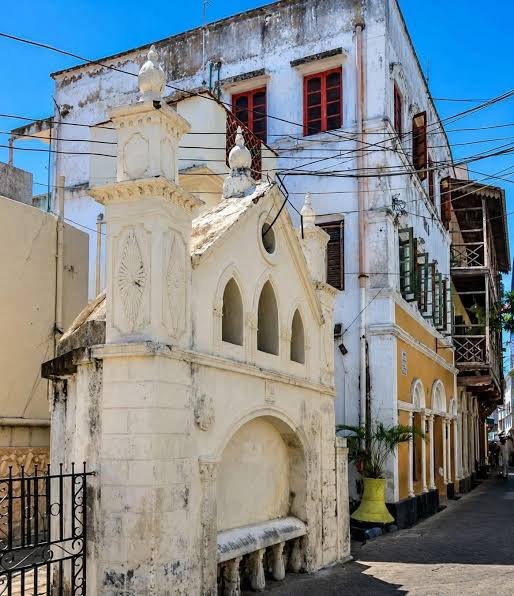
Something you might easily overlook is the historic freshwater well opposite the mosque.
The decorative frontage bears the date 1901. However, this dates the frontage rather than necessarily establishing when the well itself was first dug. The original age of the water source remains uncertain.
Freshwater access was essential to the development and survival of densely populated coastal settlements. The proximity of the well to the mosque also illustrates the relationship between religious practice, water access and everyday community life. museums.or.ke
Further reading: The Mombasa Mosque That Is Older Than Fort Jesus.
5. The Old Post Office: Before M-PESA, there was this building
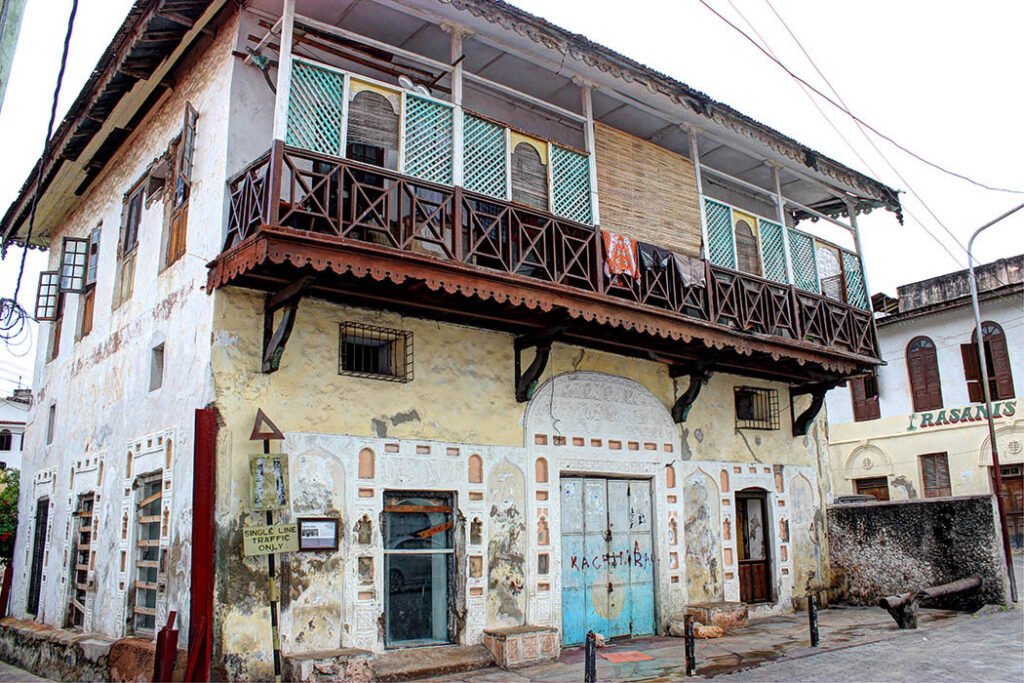
Opened: 1899
Standing before this building, I found myself thinking about what it must have meant to be thousands of kilometres away from home at the turn of the twentieth century.
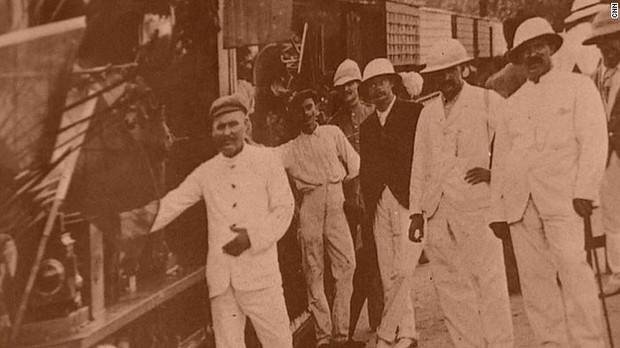
Construction of the Uganda Railway began in 1896, bringing thousands of workers from British India to East Africa.
The post office subsequently became an important link between migrant railway workers and their families overseas.
Long before instant messaging and mobile money, communication and financial remittances depended on institutions such as this one.
The building also served as a temporary immigration office during the First World War, between 1914 and 1918. museums.or.ke+1
Architecturally, take note of the wooden balconies, arched openings and decorative plasterwork.
Why visit: This building tells a less celebrated story of the railway: not simply the construction of infrastructure, but the separation of families, migration of communities and movement of money that accompanied it.
6. Africa Hotel: One of Kenya’s earliest hotels
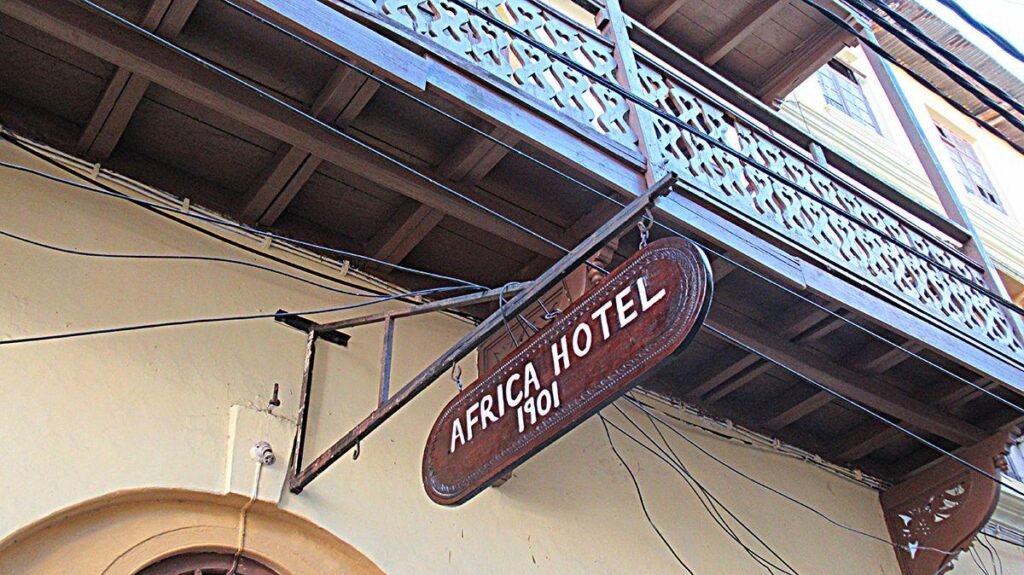
Opened: 1901
Original accommodation: 12 bedrooms
Imagine booking an ocean-view hotel room in Mombasa in 1901.
There was no Booking.com. No Instagram. No online reviews to warn you about the breakfast or the water pressure.
Yet, hospitality was already a thriving business in Mombasa.
Africa Hotel, widely described as Kenya’s first hotel, accommodated visitors in a city experiencing significant commercial transformation following the arrival of the railway.
Its balconies originally enjoyed uninterrupted views of the ocean, an attractive feature for guests arriving in the coastal town.
In a fascinating 2019 account published by Business Daily, the property’s owner, Yusuf Abdallah, revealed that he purchased the building without knowing its historical importance. Its heritage became apparent after officials from the National Museums of Kenya documented the property. Business Daily+1
More than a century later, the building remains a reminder that Kenya’s hospitality industry has a much longer history than many of us appreciate.Photography idea: Pair a wide photograph of the building with a close-up of its historical plaque. The contrast between its present appearance and its former status makes for compelling visual storytelling.